
A big problem in the events industry is learning who is the right fit to hire for your function. With all the mass information on the internet nowadays, it can be hard to tell who is qualified and who even fits in the right job description for your specific needs. The biggest confusion comes from the common mixing of the terms “event planner” and “party planner”. As such, I hope that this article can help provide you with some clarity in order to narrow down your search to the right person for the job.
Table of Contents
1.2 Clarifying the Difference: Event Planner vs. Party Planner
2. Understanding Event Planning
2.1 The Definition of an Event
2.3 What Does an Event Planner Do?
3. The Event Planning Process: Start to Finish
3.1 Client Consultation and Event Conceptualization
3.3 Venue Selection and Coordination
3.4 Vendor Selection and Management
3.6 Scheduling and Timeline Creation
3.8 Troubleshooting and Problem Solving
4. Types of Events Managed by Event Planners
5. Key Skills of an Excellent Event Planner
5.1 Organization and Time Management
5.2 Communication and Negotiation
5.3 Creativity and Attention to Detail
5.4 Problem-Solving and Adaptability
5.5 Budgeting and Financial Management
5.6 Leadership and Stress Management
6. Why Event Planners Are the Secret Sauce to a Perfect Event
7. Final Thoughts: How to Find the Right Event Planner for Your Needs
The Definition of an Event
While both party and event refer to social gatherings, their definitions highlight distinct nuances. A party is specifically a social gathering with invited guests, typically involving food, drinks, and entertainment, emphasizing enjoyment and celebration. In contrast, an event is a broader term that encompasses any occurrence of significance, including planned social functions, political happenings, or competitive sports contests. While all parties are events, not all events are parties—events can range from charity fundraisers to political summits, whereas parties are inherently social and recreational in nature.
What is an Event Planner?
An event planner is a professional who organizes, coordinates, and manages various aspects of events, ensuring everything runs smoothly from start to finish. Whether the event is a wedding, corporate gathering, or fundraiser, an event planner’s role involves both creative and logistical responsibilities.
What Does an Event Planner Do?
An event planner is responsible for organizing and executing events by handling various aspects of the planning process. They begin by consulting with clients to understand their vision, develop themes, and establish a budget. They select and coordinate venues, manage vendor contracts, and oversee event design and décor. A key part of their role includes creating detailed schedules, ensuring smooth execution on the event day, and troubleshooting any issues that arise. Additionally, they focus on guest experience, problem-solving, and post-event follow-up, gathering feedback to improve future events. Their expertise ensures a seamless and well-coordinated event from start to finish.
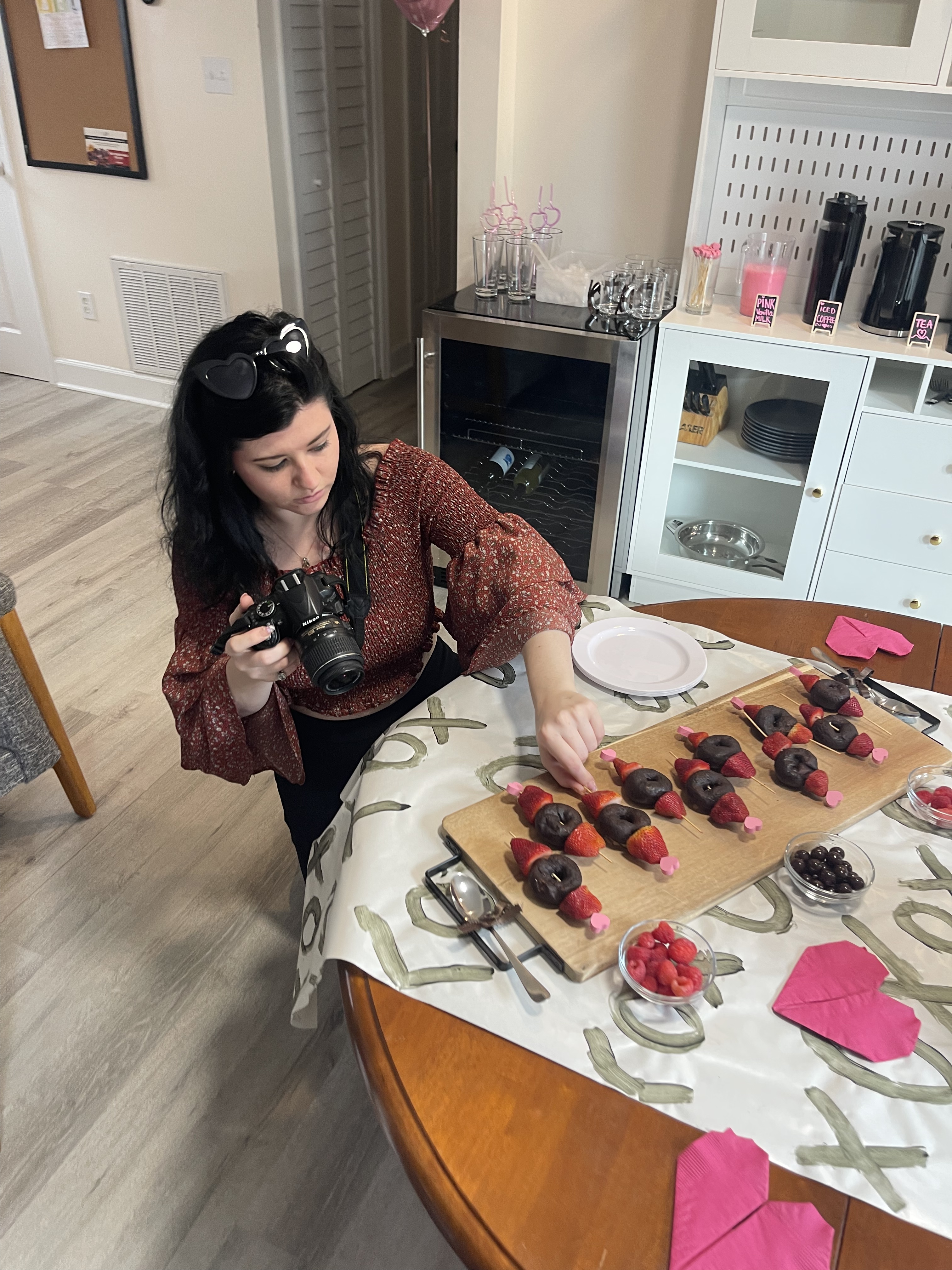

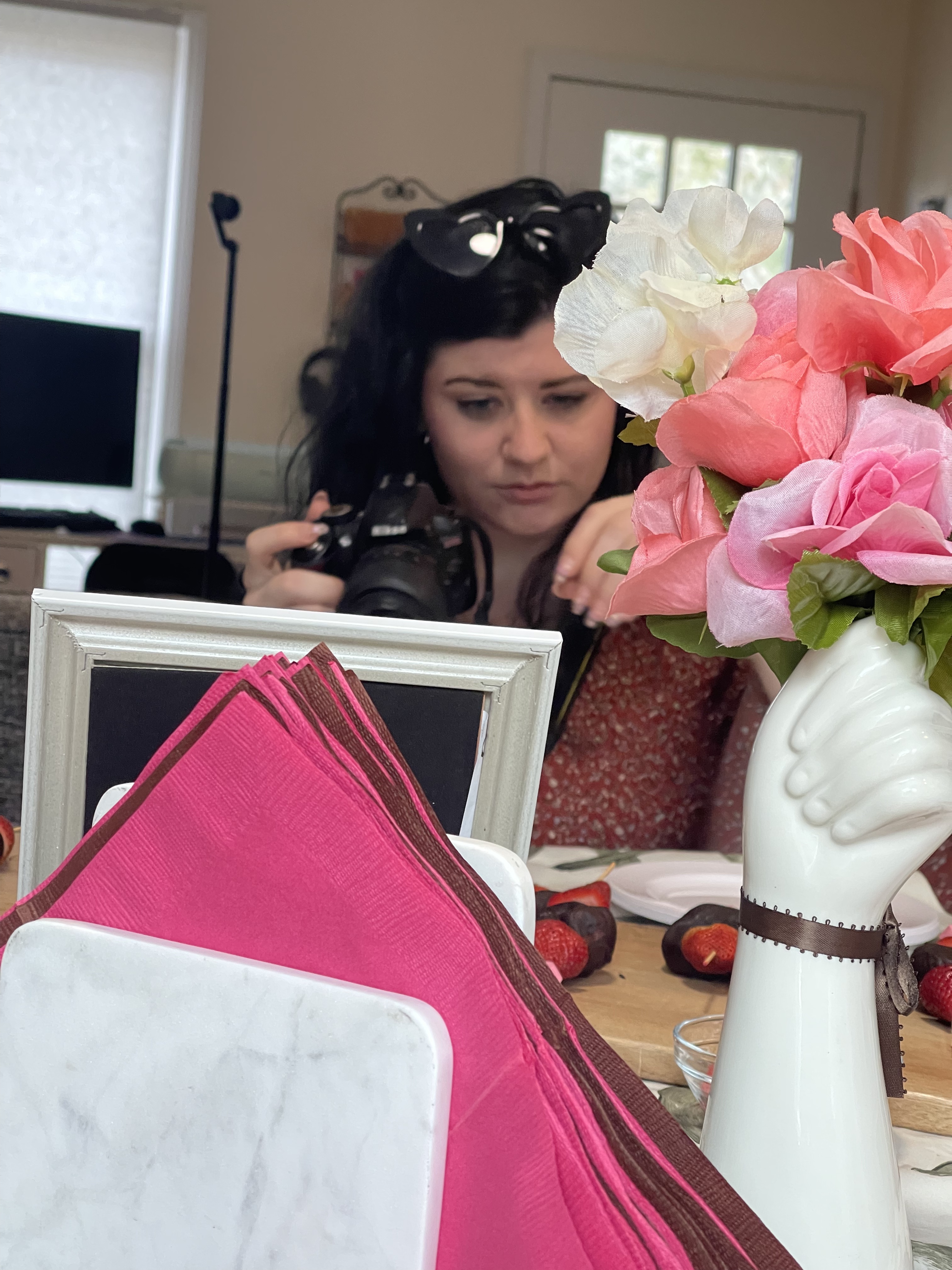
What Does Working With An Event Planner Look Like From Start to Finish?
Working with an event planner from start to finish involves a structured process to ensure a seamless and well-executed event. It begins with a client consultation to understand the event’s vision, goals, and themes. The planner then helps establish a budget, track expenses, and select a suitable venue while coordinating logistics. They manage vendor selection, negotiate contracts, and oversee event design and décor. A detailed timeline is created to ensure smooth scheduling, and on the event day, the planner supervises setup, coordinates vendors, and handles any last-minute issues. Their role also includes troubleshooting unexpected problems and ensuring a positive guest experience. After the event, the planner follows up with the client for feedback, evaluates the event’s success, and addresses any areas for improvement in future events.
Let’s break it down a bit further.
- 📞 Client Consultation and Event Conceptualization
The event planning process begins with a client consultation to understand their vision, preferences, and goals. During the initial meeting, the planner discusses the event’s purpose, desired ambiance, and specific requirements. Based on this input, they help develop themes, suggest creative ideas, and refine the overall concept to align with the client’s vision.
- 💲 Budget Management
Budget management is a crucial part of event planning. The planner helps the client establish a realistic budget, allocating funds across key categories like venue, catering, décor, entertainment, and transportation. Throughout the planning process, they track expenses to ensure the event stays within budget, identifying potential cost-saving opportunities without compromising quality.
- 💒 Venue Selection and CoordinationVenue selection and coordination are key to a successful event. The planner assists the client in choosing a venue that fits the event’s style, size, and budget, providing a list of suitable options based on location and availability. Once selected, the planner works closely with the venue staff to manage logistics, including floor plans, seating arrangements, audiovisual requirements, and equipment setup, ensuring a seamless experience.
- 🤝 Vendor Selection and Management
Vendor selection and management are essential for a well-organized event. The planner works closely with vendors, such as caterers, florists, photographers, musicians, and transportation services, to secure the necessary arrangements. They negotiate contracts to ensure the best value for the client, finalizing terms like delivery schedules, services provided, and payment details. Acting as the main point of contact, the planner ensures clear communication between all parties and keeps deadlines on track for a smooth event execution.
- 🎈Event Design and Décor
Event design and décor play a crucial role in creating the desired ambiance. The planner works with decorators and designers to bring the event’s theme to life, focusing on layout, color schemes, floral arrangements, and personalized details. They also oversee décor elements like centerpieces, table settings, and lighting to ensure everything aligns with the overall vision, enhancing the atmosphere and guest experience.
- 📆 Scheduling and Timeline Creation
Scheduling and timeline creation are vital for a smooth event. The planner creates a detailed timeline that outlines each aspect of the event, including vendor arrivals, guest seating, meal service, and entertainment or speeches. During the event, the planner coordinates the schedule, managing the flow of activities to ensure everything runs on time. They make necessary adjustments if any delays occur, keeping the event on track.
- 📝 On-Site Coordination
On-site coordination is crucial for the success of the event. On the event day, the planner arrives early to oversee the setup, supervise vendors, and ensure everything is in place. They handle any issues that may arise, making sure the event runs smoothly. Additionally, the planner focuses on guest experience, greeting attendees, managing registration and seating, and ensuring that all details are handled professionally to create a seamless experience for everyone.
- ❌ Troubleshooting and Problem Solving
Troubleshooting and problem-solving are key aspects of an event planner’s role. If issues arise during the event, the planner is the primary person to handle them. Whether it’s a last-minute schedule change or a vendor problem, the planner works quickly and efficiently to resolve the issue, minimizing any disruption and ensuring the event continues smoothly.
- 📲 Post-Event Follow-Up
Post-event follow-up is an important step for event planners. After the event, the planner checks in with the client to ensure satisfaction and may send thank-you notes to vendors, guests, or participants. They also evaluate the event’s success, gathering feedback to identify what went well and areas for improvement, helping to enhance future events.
What Types of Events Are Managed by Event Planners?
Event planners manage a wide variety of events, catering to both personal and professional needs. From intimate celebrations to large corporate functions, they handle all the intricate details that ensure smooth execution. Event planners work with clients to design and organize weddings, conferences, social gatherings, and fundraising events. Additionally, they manage trade shows, expos, and cultural events, creating memorable experiences for guests. With their expertise in logistics, budgeting, and coordination, event planners are essential in bringing any event to life.
Events Managed by Event Planners:
- Weddings 💒
- Corporate Events (conferences, meetings, product launches) 👩💼
- Birthday Parties🥳
- Anniversaries 👩❤️💋👨
- Family Reunions 👨👩👦👦
- Fundraisers 💰
- Charity Events 🎗
- Trade Shows💄
- Expos📈
- Festivals🎪
- Exhibitions🎭
- Concerts👩🎤
- Holiday Parties🎁
- Galas👠
- Product Launches📦
- Networking Events 🤝
- Award Ceremonies🏆
- Fashion Shows👗
- Team Building Activities👬
- Conferences🎤
- Seminars 📈
- Retreats😌
- Bridal Showers👰♀️
- Baby Showers🤰
- Receptions 🍸
What Skills Make for an Excellent Event Planner?
An excellent event planner needs a combination of skills to successfully manage and execute any event. Organizational and time management skills are essential, as planners often juggle multiple tasks and deadlines. Strong communication skills are crucial for liaising with clients, vendors, and guests, ensuring everyone is on the same page. Creativity is another key attribute, allowing the planner to design visually appealing events that align with the client’s vision. Attention to detail ensures that nothing is overlooked, contributing to a smooth event. Additionally, problem-solving abilities are vital for handling unexpected challenges, while strong budgeting skills are necessary to balance quality with cost-efficiency.
Skills That Make an Excellent Event Planner:
- Organization and Time Management 🗄
- Communication 🗣
- Creativity 🎨
- Attention to Detail 🔎
- Problem-Solving ✅
- Budgeting 💲
- Negotiation 🤝
- Flexibility and Adaptability 💪
- Leadership and Team Management 😎
- Stress Management 😖
- Customer Service Skills 📞
- Multitasking 📑
- Networking 👬
- Technical Knowledge (AV, online platforms, etc.) 💻
- Decision Making 1️⃣
Why Event Planners Are the Secret Sauce to a Perfect Event
Event planners are like the fairy godmothers of the event world—only instead of magic wands, they wield creativity, logistics, and impeccable organization. From the first spark of an idea to the very last guest waving goodbye, they handle all the moving parts so you don’t have to. They juggle vendors, schedules, and those tiny details that turn a good event into an unforgettable one. The result? You get to sip your champagne and enjoy the party, while they make sure everything runs like clockwork.
Whether it’s your dream wedding, a high-stakes corporate shindig, or a private bash that’s got to impress, a top-notch event planner is your ticket to turning that vision into a reality.
Want to dive deeper into what an event planner does or need tips on picking the perfect one for your event? Just give me a shout!
Don & Dazzle, LLC is a participant in the Amazon Services, LLC Associate Programs and other affiliate services. This means that DonandDazzle.com receives a small commission by linking to Amazon.com and other sites at no cost to the readers.

 Don & Dazzle
Leave a comment